When humans experience traumatic events or live with mental illness, relationships are among the first aspects of their lives to suffer. A loss of trust, decreased self-worth, an inability to empathize and self-absorption are all common symptoms in trauma survivors or those who suffer from addiction and other mental health disorders. It can take a long time — even years — to rebuild the ability to form healthy and constructive interpersonal bonds. But therapists have long recognized the benefits of animal companions to nurture their clients’ ability to love, trust and care for another living thing. Equine therapy, also called equine-assisted therapy, refers to animal therapy that specifically focuses on the bond between humans and horses to encourage the building of healthy, caring relationships.
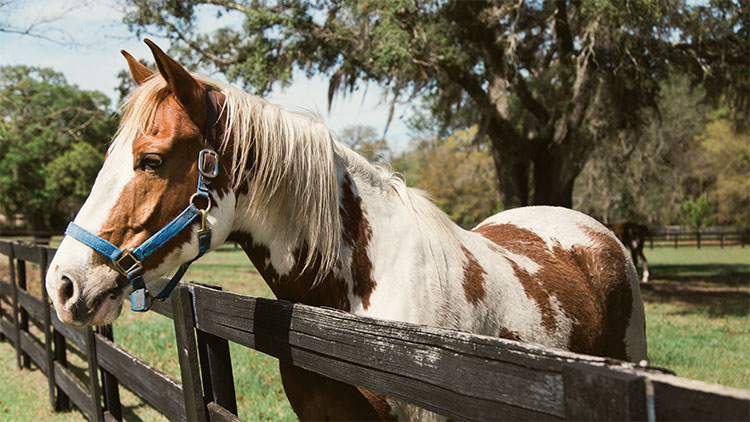
Historically, horses have been a constant companion for humans. Without horses, society as we know it would be shaped very differently — they have been alongside us as we hunted, farmed and built cities. They are known to be remarkably strong and intelligent creatures with distinct personalities, immense emotional intuition and quick learning abilities. The relationships between horse handlers and their horses are known to be deep emotional bonds similar to how many people feel about their household pets. Horses’ impressive size and strength is a beautiful reminder of the miracle of the natural world around us — it is at once humbling and awe-inspiring to be in the presence of a horse. Equine therapy usually includes calming activities like grooming, feeding or walking, and is guided by a trained therapist to ensure proper techniques for the safety of both the clients and horses.
 Traumatic experiences, particularly when the cause of the trauma is another person, can deeply impact a victim’s ability to feel safe and comfortable in the presence of others. When you form emotional relationships with family, friends or romantic partners, you allow yourself to be open with them. In a healthy relationship, you can feel confident that your loved ones will not use this vulnerability against you. When this confidence is shaken, though, the relationship can suffer; and if your trust was betrayed in a way that hurt you deeply, it often affects your ability to maintain relationships with others. Difficulty trusting others is a common problem in those who have experienced trauma or emotional distress at the hands of someone close to them. In such cases, therapies that focus on helping you learn how to build trusting relationships again — like equine therapy — are necessary for you to overcome your experiences and make progress towards a healthy and productive life.